

The Vineyard Sites
The Vineyards
THE SUBTLE DIFFERENCES THAT NATURE BESTOWS UPON US MEAN THAT EACHT INDIVIDUAL VINEYARD SITE AND THUS EACH INDIVIDUAL WINE HAS ITS OWN UNIQUE AND DIVERSE CHARACTERISTICS.
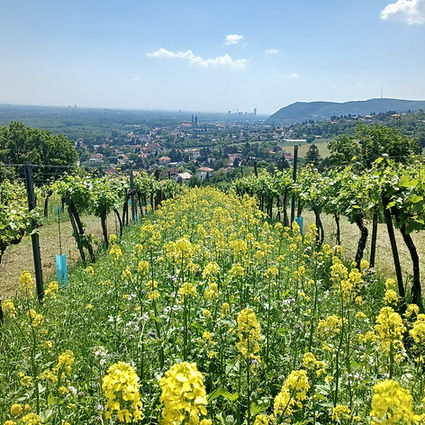
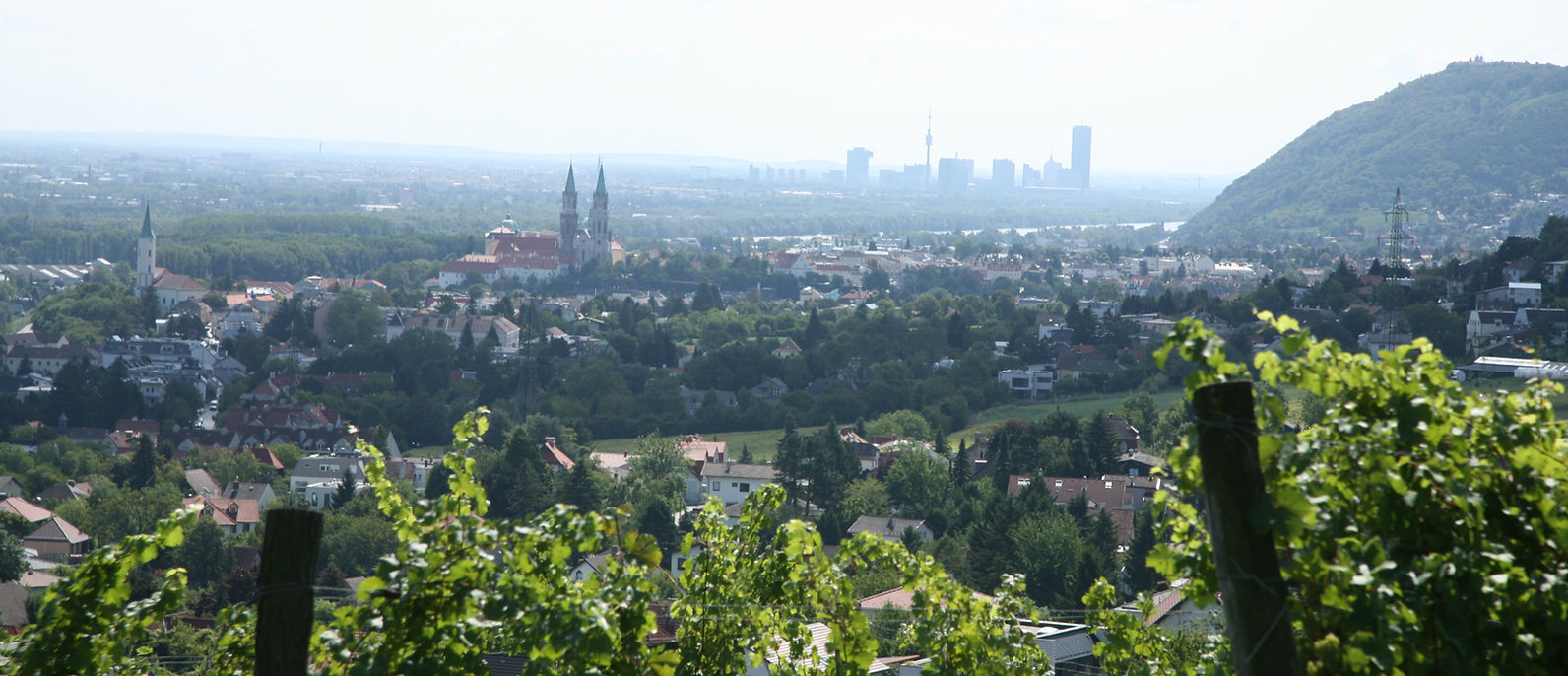
Our vineyards are located on mostly quite steep south and southeast-facing slopes in the foothills of the Vienna Woods, along the Danube valley, upstream from Weidling to Höflein an der Donau. Klosterneuburg is the first town before Vienna, located in the Danube valley and belongs to the Wagram wine-growing region.
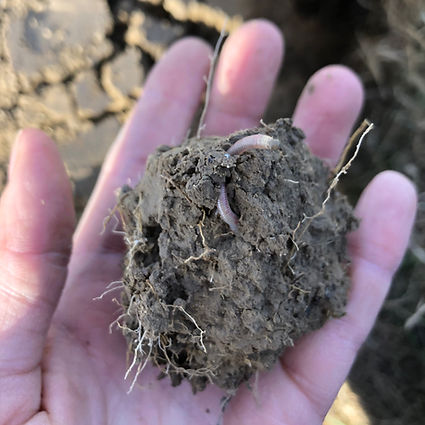
The sometimes very varied soil composition of the individual sites, from deep clay and loess soils to pure sandstone and calcareous sandstone soils, gives us the opportunity for a great diversity of varieties in a small wine-growing region. The Pannonian climate, shaped and tempered by the influence of the Danube, gives rise to clear, fresh-fruity, dry white wines as well as rich, full-bodied Grüner Veltliner, Riesling and Pinot Blanc.
Vineyard sites
RIED EICHBERG
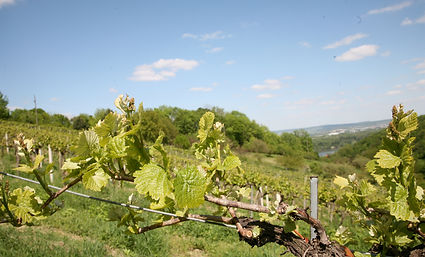
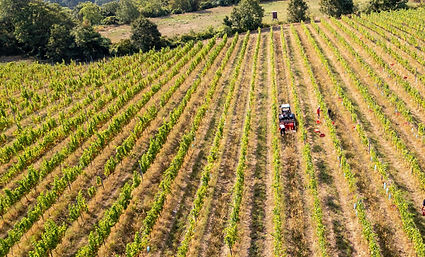
The Eichberg vineyard, with its steep slope and the special training system, a single-wire inverted vine system, constantly presents us with challenges. Precise and meticulous canopy management is crucial with this system, as the grapes grow hidden beneath the foliage, protected from sun and wind, similar to a pergola system.
RIED HASCHBERG
Above the town center of Klosterneuburg, on the Buchberg hill, lies the Haschberg vineyard. The barren soil, characterized by Klosterneuburg marble (a type of calcareous marl), and the dry, hot microclimate define this south-facing slope. A constant, gentle breeze ensures healthy grapes.
RIED HOFSTÄTTE
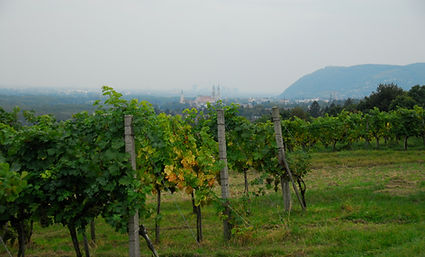
The Ried Hofstätte vineyard – affectionately known as “Lotte” by us – is the only pure loess site in our region. The loess soil, reaching depths of up to 12 meters, forms the basis for our Grüner Veltliner Grosse Reserve, in combination with the old vines dating back to the 1970s. The proximity to the Danube River at this southeast-facing location creates a moderate microclimate.
RIED PAULINENBERG
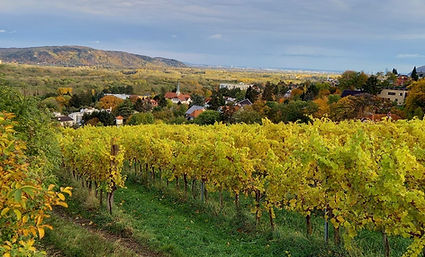
Many hours of morning sunshine, a constant gentle breeze, and views of the Danube Valley and the floodplain – a truly unique workplace; we wouldn’t trade it for anything. The Paulinenberg vineyard is characterized by its fertile loess loam atop Vienna Woods flysch. The excellent water retention capacity of such soils ensures a reliable supply of water and nutrients for our vines, especially during dry years.
RIED KEPPER
Nestled among apricot and vineyard peach trees lies our smallest vineyard, Gewürztraminer and Riesling grapes for our sparkling wine base grow here. Immediately below the Paulinenberg hill, the soil on this east-facing slope becomes lighter again; the higher sand content ensures good soil aeration and a pure fruit flavor in the wine.
RIED STEINGASSE
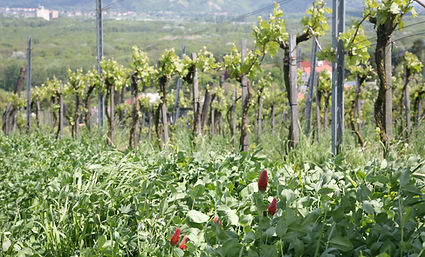
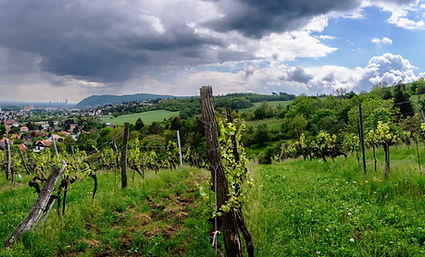
We’re probably really rich, or rather, rich in stones? The sheer, unimaginable quantity of sandstone already present in the topsoil of this south-facing slope is a nightmare to work in this vineyard, yet it’s the source of the minerality and salinity of the Grüner Veltliner and Gemischter Satz wines that grow here.
RIED OBERKREITH
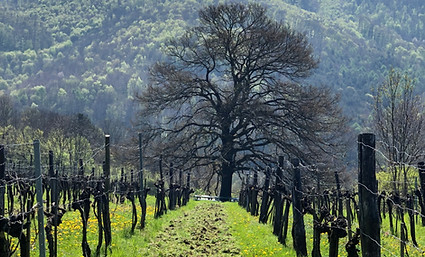
Beneath an ancient oak tree, high above the Weidlinger Valley, lies the Oberkreith vineyard, nestled within the Eichenhain Nature Park. The fertile brown earth soil of this site and its southern exposure offer ideal conditions for cultivating Grand Reserve wines and late-ripening varieties such as Cabernet Sauvignon.
RIED KAHLE LEITEN
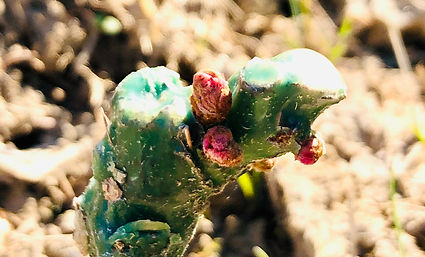
The traditional names and designations of vineyards often reveal a great deal about the slope, the microclimate, the suitability for cultivation, and the soil quality. This is also true here. “Kahle Leiten” (Bare Slopes), a barren, stony, and sparsely vegetated hillside, might not sound particularly inviting or fertile at first.